


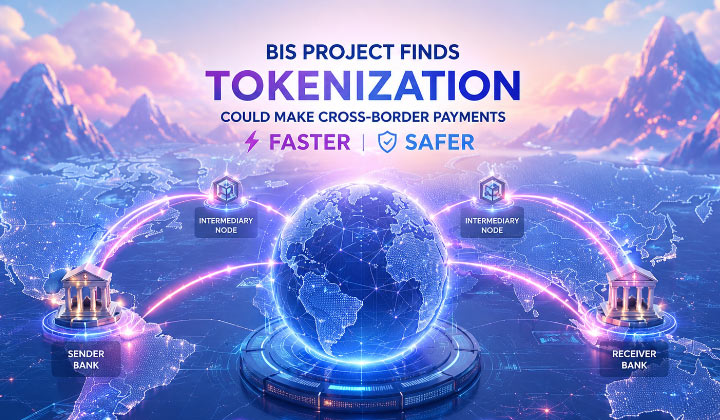
A major experiment led by the Bank for International Settlements (BIS) found that tokenization could help fix some of the biggest pain points in cross-border payments, from slow settlement times to costly reconciliation between banks.
Project Agorá, a joint effort between the BIS, seven central banks and more than 40 private financial institutions, concluded that tokenized central bank reserves and commercial bank deposits could support atomic settlement across currencies and jurisdictions.
With major central banks like the New York Fed, Bank of England, Swiss National Bank and Bank of Japan involved, members now plan to move from simulations to testing real-value transactions.
Tokenization is gathering steam among Wall Street firms to modernize finance, bringing assets like stocks, bonds and funds onto blockchain rails.
The agency, however, warned that stablecoins, digital currencies tied to fiat money issued on blockchain by private companies, could pose risks to the financial system, urging to speed up efforts to regulate the sector.
Project Agorá, from the #BISInnovatonHub, @IIF & 40+ financial institutions, shows how #tokenisation & programmable technologies can enhance cross-border payments. Read: https://t.co/qEVF3j9Ed5 @bankofengland@NewYorkFed@banquedefrance@Bank_of_Japan_e@bok_hub@Banxico@SNB_BNS pic.twitter.com/s6MNXlm1Ud
— Bank for International Settlements (@BIS_org) May 27, 2026
Stay informed with the latest trends in Web3, blockchain innovation, and cybersecurity updates at 3verseTV
You need to login in order to Like















Leave a comment