


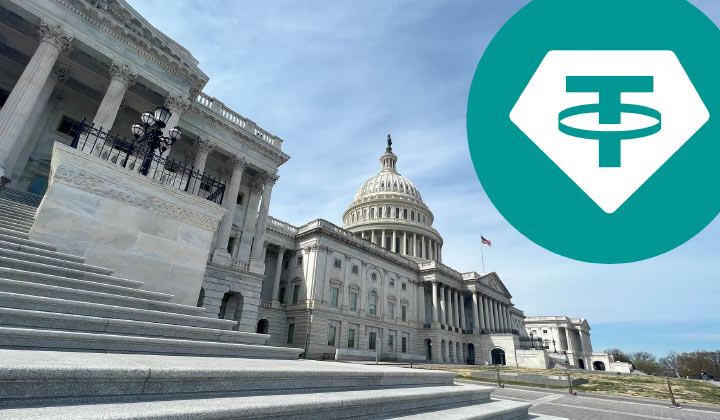
Tether’s USDT, the world’s largest stablecoin by market share and trading volume, is at a turning point in the United States. The company has two years to get in compliance with the GENIUS Act or risk losing access to US crypto trading platforms if it doesn’t meet the new rules.
Tether has said it will bring USDT up to U.S. standards but has not yet laid out a clear plan. Regulators are still working out the details, leaving the industry unsure of how and when the law will be enforced.
The first anniversary of the GENIUS Act represents a key moment for the stablecoin industry. Interest in regulated stablecoins has soared since the law was signed. Crypto companies and traditional banks are angling for U.S. trust bank charters to shore up their stablecoin businesses, and issuers are preparing for tighter rules.
Tether continues to be closely monitored. Its latest reserve disclosures show a sizable portion of the assets backing USDT is in bitcoin, precious metals and lending-related assets.
The GENIUS Act also specifies that stablecoin reserves should be primarily held in highly liquid assets, such as cash and short-term U.S. Treasury securities. If Tether starts moving its reserves around, it could make it harder for USDT to meet the new standards.
USDT Faces 2028 Compliance Deadline for Continued U.S. Exchange Access
According to CoinDesk, Tether and other foreign stablecoin issuers may have until July 2028 to meet GENIUS Act requirements or risk becoming ineligible for listing on U.S. centralized exchanges. Compliance… pic.twitter.com/tnWsojH3lP
— Wu Blockchain (@WuBlockchain) July 19, 2026
Tether CEO Paolo Ardoino said last year the company would comply with the GENIUS Act and may even issue a U.S.-specific token. Since then, Tether has launched USAT with its banking partner Anchorage Digital, but the new stablecoin hasn’t caught on. The company has not shared new details about its overall compliance plan, even after repeated media requests.
Legal experts say foreign issuers like Tether usually have until July 2028 to meet all the requirements. Still, there is debate about whether some rules, such as responding to government freeze and seizure orders, could apply as soon as the law takes effect early next year. The lack of final rules from U.S. agencies adds to the uncertainty.
Stay informed with the latest trends in Web3, blockchain innovation, and cybersecurity updates at 3verseTV
You need to login in order to Like

















Leave a comment