


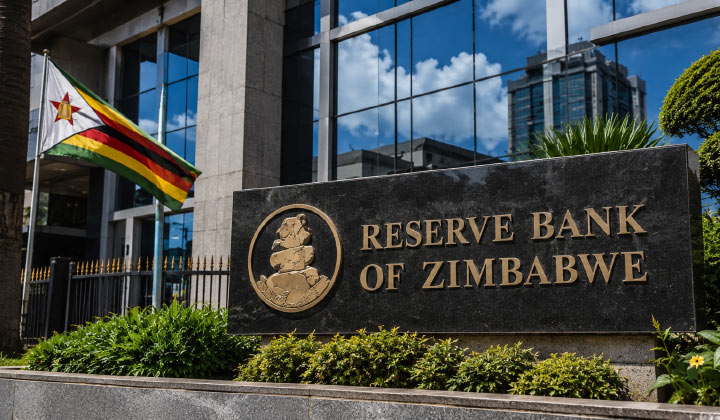
Zimbabwe has launched its first set of cryptocurrency rules, requiring crypto businesses to register with the country’s financial intelligence authorities or face prosecution. This is a big change for a country that used to stop banks from dealing with digital assets.
With the new rules, companies that buy, sell, transfer, or protect crypto assets must register every year with the Financial Intelligence Unit, part of the Reserve Bank of Zimbabwe.
The registration fee is $500, and annual renewals cost $400. Compared to other African countries, these fees are low and seem meant to encourage participation instead of creating barriers.
Zimbabwe’s interest in crypto comes mostly from its history of hyperinflation and repeated currency problems. Many people have started using Bitcoin and other digital assets to store value and send money.
The new rules put Zimbabwe alongside countries like South Africa, Nigeria, and Kenya, which already have crypto regulations.
People in the industry have welcomed the change, saying it brings clarity and lets traders work more openly. The rules could also help authorities watch over the market and bring more crypto activity into the formal financial system.
Zimbabwe’s government said on Friday it will require cryptocurrency businesses to register and pay annual fees, as it seeks to bring the largely informal market under regulatory oversight. https://t.co/oQlFp4Hhck
— Reuters Africa (@ReutersAfrica) June 12, 2026
Zimbabwe just passed its first-ever crypto law.
Under Statutory Instrument 99 of 2026, all crypto firms must register with the central bank’s Financial Intelligence Unit or face prosecution.
Annual fee: $500. Operating without registration = offence.
Context: Sub-Saharan… pic.twitter.com/v1Afz6hmyM
— 3.0 TV (3verseTV) (@reallive3tv) June 15, 2026
You need to login in order to Like

















Leave a comment