


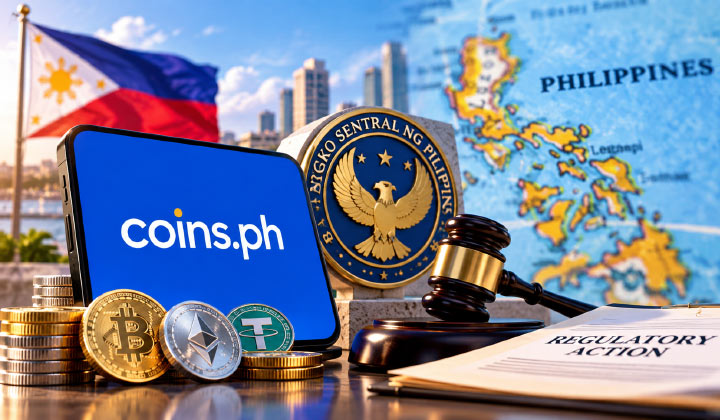
Coins.ph the Philippines’ biggest crypto exchange, is said to be at risk of regulatory intervention from the central bank. According to reports, the Bangko Sentral ng Pilipinas (BSP) has taken action against the exchange, citing concerns over services allegedly provided to offshore gambling businesses.
The exchange is said to have over 18 million customers and is a major player in the Philippine cryptocurrency market. The report estimates that it processes around $50 million in daily spot trading volume and accounts for approximately 75% to 80% of peso-to-stablecoin liquidity in the country.
Official Statement from https://t.co/nwbIOfGryP
In response to recent news reports, we would like to share the statement below with our users, partners, and the wider community.
Our users’ funds are safe. We remain committed to transparency, regulatory compliance, and protecting our users as we work to restore affected services.
Please follow our official channels for further updates. Thank you for your continued trust and patience.
#CoinsPH #OfficialStatement #CoinsPHUpdates
— Coins.ph (@coinsph) October 14, 2026
The issue has gained particular attention due to millions of Filipinos having to work overseas and sending money back to the domestic economy. Although most use banks and traditional money transfer operators, cryptocurrency and stablecoins offer another way to transfer funds.
According to people familiar with the matter, the BSP reportedly imposed restrictions earlier in October, on deposits to the exchange through DCPay Philippines, the company associated with its main wallet services. In addition, the report noted the exit of a number of senior compliance employees, including the exchange’s chief compliance officer and those responsible for anti-money laundering monitoring and reporting.
The concerns come following the central bank’s interventions to curtail the use of e-wallet applications for gambling purposes. According to sources cited in the report, some gambling firms then moved to Coins.ph, utilising cryptocurrencies and stablecoins to settle payments with offshore counterparts.
However, these allegations have not yet been determined as final regulatory findings by the material provided. The central bank has yet to respond to requests for comment at the time of publication.
Coins.ph reported that users’ funds were safe and that services would soon reopen after what was said to be an incident. Additionally, the exchange denied knowingly serving offshore gambling or gaming operators, while stating that adherence to the requirements of the BSP, as well as other relevant authorities, remained a principal component of its operations.
It should be noted that the report does not indicate whether the exchange’s licence would actually be revoked or if the aforementioned restrictions would result in further penalties.
Coins.ph has operated for around 12 years and was one of the Philippines’ early cryptocurrency wallet and exchange providers. The Indonesian technology company Gojek acquired the business for $95 million back in January 2019. It was subsequently sold to Wei Zhou, a former chief financial officer of Binance.
The case highlights the significance of regulatory compliance for cryptocurrency exchanges, given the services they provide, connecting digital assets, payments and other financial activity. Any final action by the central bank will most likely have significant consequences for the exchange and the wider Philippine crypto market.
Stay informed with the latest trends in Web3, blockchain innovation, and cybersecurity updates at 3verseTV
You need to login in order to Like













Leave a comment