



Toshiba is among 26 companies, financial institutions and local government bodies taking part in a six-month trial of EJPY and other stablecoin use cases in Japan, as the country explores how yen-denominated digital currencies could be used in business.
The programme, launched in September by the Japan Blockchain Foundation, will run until February 2027. Participants will test EJPY tokens, wallets and Japan Open Chain infrastructure for payments, remittances, cross-border transactions and digital-asset applications.
The Stablecoin Proof of Concept Partners programme is designed to move EJPY from development work into practical testing with businesses that could potentially use stablecoins in their operations.
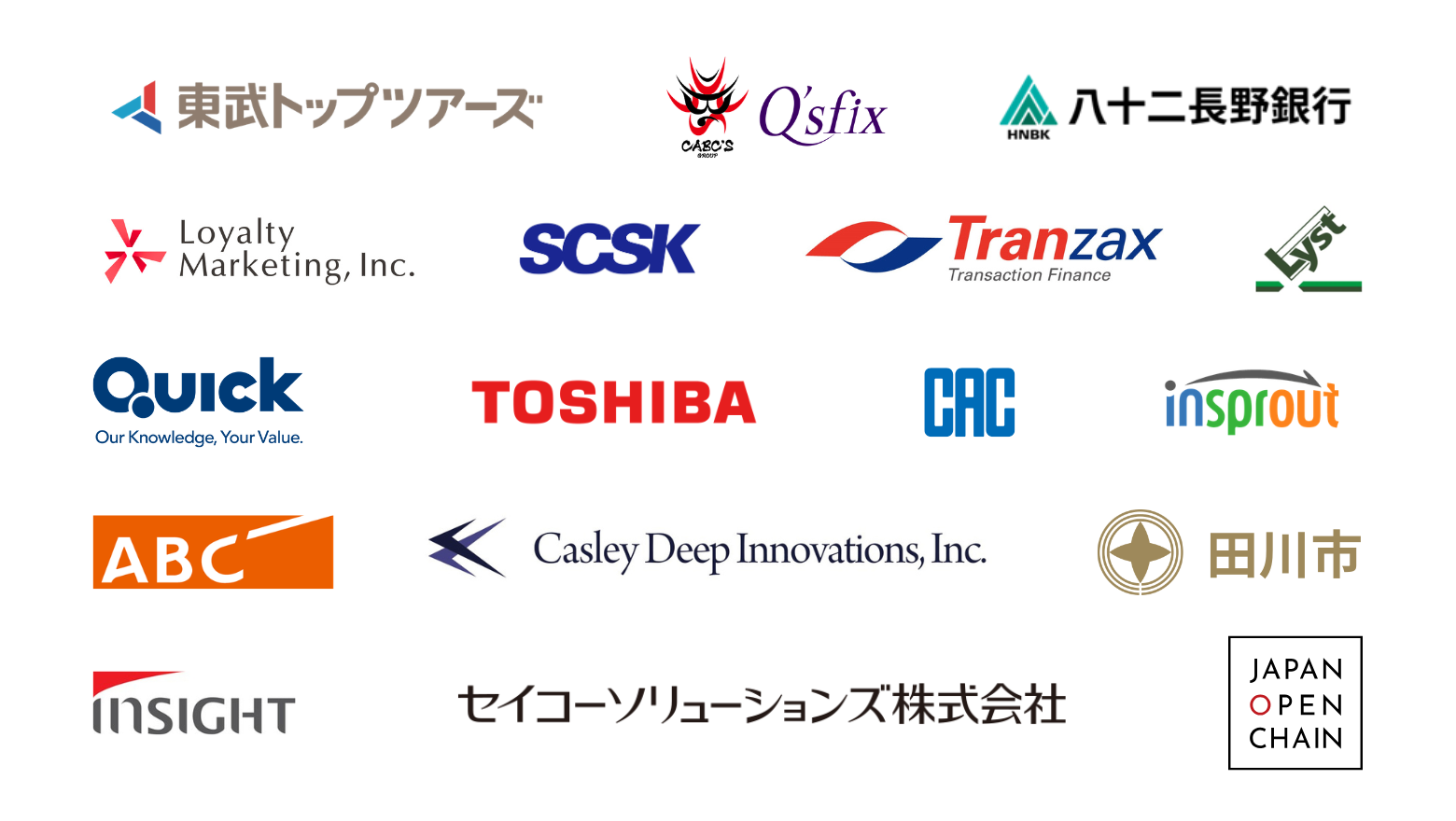
Toshiba is participating alongside companies and financial institutions including SCSK, QUICK, Seiko Solutions, Hachijuni Nagano Bank, Asahi Broadcasting Group Holdings and Tobu Top Tours. Tagawa City has also joined the programme from the public sector.
Sixteen participants have been publicly named so far, while the remaining 10 are expected to be disclosed after discussions with the companies are completed.
EJPY is being developed as a trust-based, yen-denominated stablecoin centred on Japan Open Chain, an Ethereum-compatible Layer 1 blockchain operated by a consortium of Japanese companies.
Participants will explore possible applications in domestic payments, remittances, cross-border transactions and business-to-business settlements. They will also examine payments involving digital assets such as real-world assets and security tokens, along with Web3 services, regional payments and new financial products.
Rather than following one fixed payment model, companies will develop use cases based on their own business requirements. They can then use the technical testing environment to determine whether those ideas could eventually become commercial services.
Importantly, joining the programme does not mean that a participating company has committed to issuing or commercially launching a stablecoin. The exercise is intended to test possible applications and the underlying technology before businesses make such decisions.
Participants will receive information about stablecoin regulations, market developments, EJPY’s structure and use cases being explored in Japan and overseas. They will also have access to EJPY test tokens and wallets that work with Japan Open Chain.
The EJPY trial comes as other Japanese businesses are experimenting with stablecoins. Convenience store operator Lawson, for example, expanded a stablecoin payment trial in August to include JPYC, USDC and USDT at two Tokyo stores. The trial uses wallet barcodes with Lawson’s existing point-of-sale systems.
Corporate payment applications are also emerging. Japanese logistics group AZ COM Maruwa Holdings has outlined plans to use JPYC for payments involving about 2,300 business partners and contractors, including truck drivers.
JPYC itself raised 6 billion yen, or about $38 million, through an extended Series B funding round announced in August. AZ COM Maruwa invested 1 billion yen as part of that funding while preparing its planned payment use.
Source: jbfd.org
Meanwhile, Japan’s banking sector is developing its own stablecoin infrastructure. MUFG Bank, Sumitomo Mitsui Banking Corporation and Mizuho Bank are targeting live stablecoin transactions during fiscal 2026, which ends in March 2027.
Cross-border experiments are also underway. Kyobo Life Insurance and Japan’s SBI Group completed a test involving yen and won stablecoins through the Canton Network in September. The test examined institutional transfers, foreign exchange, settlement, tracking and reconciliation, although no institutional funds were transferred.
The Japan Blockchain Foundation is considering similar cross-border applications for EJPY. Japan Open Chain is expected to remain the main network for issuing and circulating the token, while multichain support is also being considered.
The six-month EJPY programme is therefore taking place alongside several other stablecoin experiments across Japan. For now, the focus remains on testing how yen-based digital money can work with existing payment systems and blockchain infrastructure. The current proof-of-concept programme is scheduled to continue through February 2027.
Stay informed with the latest trends in Web3, blockchain innovation, and cybersecurity updates at 3verseTV
You need to login in order to Like

















Leave a comment