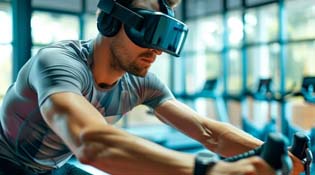

Impact of Metaverse in Medical Tourism Industry
By Vishakha Thakur
Metaverse can transform healthcare by allowing patients and doctors to engage via digital avatars, eliminating the need for physical distance.
Simultaneously, virtual reality allows patients to immerse themselves in virtual hospitals, increasing their sense of familiarity. Clinicians from all around the world could use 3D models of their patients’ medical conditions to provide an informed diagnosis.
Metaverse integrated with telemedicine services gives medical tourists a fresh means to communicate with healthcare providers in their destination country. Virtual consultations can assist patients in establishing rapport with their physicians and receiving preliminary assessments prior to a trip. In the comfort of the metaverse, these virtual consultations may include topics including post-operative care, expectations for recovery, and treatment regimens.
What is Medical Tourism?
Every year, millions of patients from around the world travel to another country for medical treatment, a phenomenon known as medical tourism. Medical tourists often seek for procedures related to dentistry, cosmetic surgery, infertility treatments, cancer therapy, organ and tissue transplants, and fertility.
- Cost: To get a therapy or service that could be cheaper in another country
- Culture: Receive care from a clinician who shares the traveller’s culture and language
- Procedures that are now unavailable: The procedure involves obtaining a treatment that is not available or approved in other nations.
How is Metaverse impacting the medical tourism Industry?
Metaverse technology allows all medical tourists or patients to take a virtual tour of their chosen healthcare facility. This allows them to familiarise themselves with the hospital’s layout, facility quality, and surroundings, ensuring that everything is satisfactory. Virtual tours can incorporate not only hospital facilities but also lodging, area attractions, and even vacation packages. Medical tourists can thus make better decisions regarding their travel, fostering trust and transparency. For example, if you are in Europe and the best physician for your illness is in India, you can still be in the same room just by wearing VR headsets.
Telemedicine Consultations
Virtual consultations via telemedicine services can assist patients get to know the doctors and staff involved in their care and establish a preliminary assessment of the operation ahead. These include treatment plans, rehabilitation goals, and post-operative care.
Mental Health & Support
Medical tourists struggling with pre-surgery anxiety or post-surgery recuperation can benefit from support groups and therapy sessions in the metaverse. Virtual reality experiences can provide a supportive and immersive environment that promotes mental health.
These virtual support networks can unite patients who have had similar medical experiences, providing emotional support and useful insights.
Follow-up Treatment & Rehabilitation
Follow-up care is a significant concern in medical tourism. Medical tourists may use VR-based rehabilitation activities and follow-up consultations via the metaverse to further aid their recovery.
This not only improves the patient experience, but it also simplifies long-term care by minimising the need for frequent in-person visits. Medical tourists who return home can continue their post-operative care and rehabilitation in the metaverse. Virtual reality-based rehabilitation activities and follow-up consultations can help patients stick to their treatment regimens and recover more efficiently.
Thus, merging real-world and virtual care will undoubtedly improve patient care delivery and expand the scope of medical travel.
You need to login in order to Like