By Kapil Rajyaguru

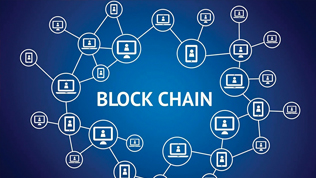
A blockchain bridge, otherwise known as a cross-chain bridge, connects two blockchains and allows users to send cryptocurrency from one chain to the other. Basically, if you have bitcoin but want to spend it like Ethereum, you can do that through the bridge.
One of the biggest problems of blockchain was the inability to work together. While fluid and somewhat efficient as single entities, each blockchain is limited by the walls of its own domain. Most often this can lead to high transaction costs and congestion.
Blockchain bridges solve this problem by enabling token transfers, smart contracts and data exchange, and other feedback and instructions between two independent platforms.
Types of Bridge
1. Trusted Bridges
2. Trustless Bridges
Trusted Bridge
Trusted bridges depend upon a central entity or system for their operations. They have trust assumptions with respect to the custody of funds and the security of the bridge. Users of trusted bridges mostly rely on the bridge operator’s reputation. Additionally, Users need to give up control of their crypto assets.
Trustless Bridges
Trustless bridges operate using smart contracts and algorithms. They are trustless, i.e., the security of the bridge is the same as that of the underlying blockchain. Through smart contracts, trustless bridges enable users to remain in control of their funds.
Risk of Using Bridges
Smart Contract Risk: The risk of a bug in the code that can cause user funds to be lost.
Technology Risk: Software failure, buggy code, human error, spam, and malicious attacks can possibly disrupt user operations.
Moreover, since trusted bridges add trust assumptions, they carry additional risks such as:
Censorship Risk: Bridge operators can theoretically stop users from transferring their assets using the bridge.
Custodial Risk: Bridge operators can collude to steal the users’ funds.
Bridges are crucial for users who want to explore different ecosystems. However, given the risks involved in interacting with bridges, users must understand the trade-offs the bridges are making.
You need to login in order to Like