


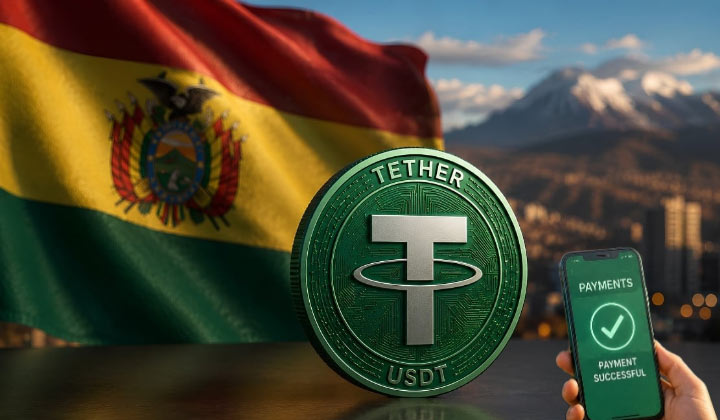
Bolivia is looking into whether Tether’s USDT stablecoin could be used in its national payments system, showing another big shift in the country’s approach to digital assets. Economy Minister José Gabriel Espinoza said the government is reviewing a plan that would let USDT be used alongside the boliviano and the U.S. dollar. While no final decision has been made, this proposal shows Bolivia’s growing interest in regulated crypto use after lifting restrictions on digital asset transactions last year.
Government officials said the proposal remains under technical review, and no legal-tender status has been granted to USDT.
Officials are creating rules that would let banks, digital wallets, and payment providers support stablecoin transactions while keeping strong anti-money laundering protections. These steps are especially important because Bolivia is still on the Financial Action Task Force’s grey list, which means the country faces extra checks on its financial crime controls.
Interest in cryptocurrencies has grown quickly since Bolivia’s central bank ended its long ban on crypto transactions in June 2024. Official data shows that crypto transaction volumes rose from $46.5 million in the first half of 2024 to $294 million a year later, showing a big jump in use.
A shortage of U.S. dollars has pushed businesses and individuals to look for other ways to pay. Bolivia also dropped its long-time fixed exchange rate earlier this year, which has made stable digital assets tied to the U.S. dollar even more appealing.
The government has started using crypto in other areas too. The state-owned energy company YPFB plans to use digital assets for energy imports, and Bolivia’s central bank has talked with El Salvador as it works on its crypto rules.
In April, state-controlled Banco Unión and its digital wallet Yasta also introduced USDT purchases through EFY Finance to support international payments and remittances.
If approved, this plan would make Bolivia one of the newest countries to officially add a dollar-backed stablecoin to its financial system. While there are still some regulatory challenges, the government’s move shows how stablecoins are becoming more important in emerging economies with currency and payment issues.
USDT is more and more used as a corner stone within several emerging markets economies. https://t.co/zLaDzkub10
— Paolo Ardoino 🤖 (@paoloardoino) July 13, 2026
Stay informed with the latest trends in Web3, blockchain innovation, and cybersecurity updates at 3verseTV
You need to login in order to Like

















Leave a comment