


Perils Of A DDoS Attack On Blockchain
By Sandeep Kasalkar
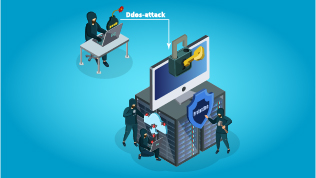
A DDoS assault, short for “distributed denial-of-service,” is a malicious effort to stop a server, service, or network’s regular activity by saturating the target or its surrounding infrastructure with a torrent of internet traffic. A DDoS attack throws the blockchain system out of gear resulting in any of the following:
- Node crashes: Each blockchain node runs a software that processes the transactions that are sent over the network. Blockchain nodes are network stakeholders, and their devices are authorized to keep track of the distributed ledger and serve as communication hubs for various network tasks. A blockchain node’s primary job is to confirm the legality of each subsequent batch of network transactions, known as blocks.
The nodes must have sufficient resources to satisfy the requirements of the software operating on them. If a node runs out of memory, it may crash or fail and the only option left would be to restart it.
- Software failure: If transaction floods exceed the software’s storage capacity, it can lead to constraints for transactions in the memory pool, resulting in cascading problems.
- Congestion in the network: In a blockchain network, each node that receives transactions distributes a copy of it to its neighbouring node, resulting in several copies of the same transaction being received by each node. In case of a transaction flooding assault, the peer-to-peer network magnifies the transaction volumes consuming more bandwidth causing a strain the on the network.
- Bloated ledger: As each node maintains a copy of every transaction to check for double spending, a DDoS attack that floods the ledger with transactions has a long-term effect on the blockchain network by causing it to be overburdened with bridge transactions.
Defending DDoS attacks on blockchain
- Making sure that all nodes have enough processing power & storage since bandwidth is the main defence against a DDoS attack.
- Incorporate failsafe looping into the smart contract’s code
- A blockchain network is believed to be more resilient against a DDOS assault if it is decentralised. The question whether the majority of current blockchains are fully decentralised is still up for debate.
You need to login in order to Like