


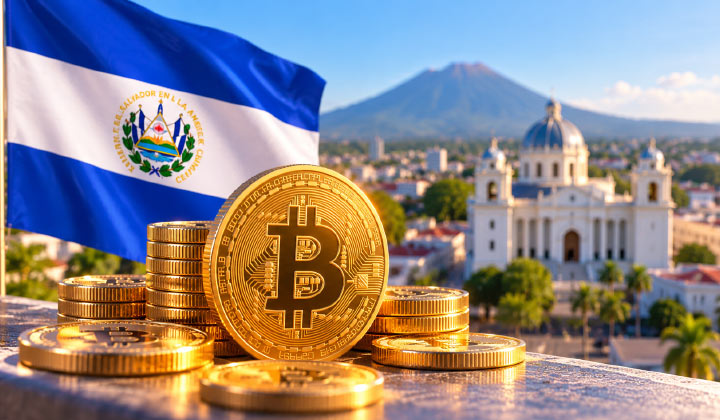
El Salvador’s National Bitcoin Office reported that the country’s Bitcoin treasury contains 7,807 coins as of October 16, 2026. According to the most recent data, the amount is valued at approximately $645 million at a Bitcoin price of approximately $82,600. The attention is drawn to the fact that El Salvador buys Bitcoins despite a $1.4 billion loan arrangement with the International Monetary Fund (IMF). According to the IMF staff, these additional assets are due to private donations, not the government.
NEW: El Salvador bought another BTC for its Strategic Bitcoin Reserve today 🇸🇻
They now own 7807 BTC! 👏 https://t.co/u0OTFmybyy
— Bitcoin Magazine (@BitcoinMagazine) October 16, 2026
In particular, when the IMF program started in early 2025, El Salvador’s Bitcoin treasury contained about 6,070 coins. Since then, more than 1,700 Bitcoins have been added to the vault. The interest in it has increased, as well as the questions about how exactly the government continues to acquire the cryptocurrency despite the limitations set by the IMF loan.
In accordance with the rules, El Salvador has to give up Bitcoin as legal tender. Nevertheless, the government of President Nayib Bukele continued its policy. In other words, the National Bitcoin Office announced the wallet addresses holding the state’s Bitcoins for public viewing. Similar transparency is not typical for most governments that use crypto assets, which are often frozen as evidence in criminal cases.
El Salvador was one of the first countries in the world to adopt a policy of dual currency the dollar and Bitcoin. The latter was officially recognized as legal tender in September 2021. The government has also been purchasing Bitcoins for the state budget. Nevertheless, they have been classified as a strategic reserve, rather than the means of payment.
At the same time, it should be noted that such a policy carries significant risks for the state. In particular, large swings in the price of the cryptocurrency will directly affect the value of the public treasury. One of the IMF reports acknowledged this risk and warned about the dangers associated with them.
It is also noted that the source of the additional 1,700 Bitcoins may be of particular interest to the IMF. In particular, if it turns out that the state budget provided these resources to finance private needs, this could raise many questions about the loan contract with the IMF.
However, for now, the IMF believes that private donations donated to the National Bitcoin Office are the reason for the increase in the Bitcoin treasury. On the other hand, the public wallet addresses contain information about the growing number of Bitcoins in the Salvadoran treasury.
Stay informed with the latest trends in Web3, blockchain innovation, and cybersecurity updates at 3verseTV
You need to login in order to Like














Leave a comment