


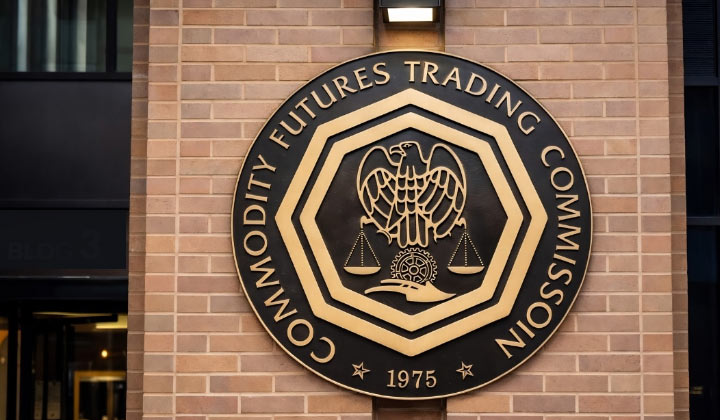
The Commodity Futures Trading Commission has sued the state of Minnesota over a new law that bans prediction market activities. This move has increased tensions between federal regulators and state governments about crypto-based forecasting platforms.
The lawsuit names Minnesota Governor Tim Walz and other state officials. It follows the approval of a law that bans platforms involved in prediction market activities.
The law is set to take effect on August 1. It bans advertising, operating, or helping with prediction market services in Minnesota. The law targets event contracts tied to sports, weather, military conflicts, and other real-world outcomes on platforms like Polymarket and Kalshi.
Minnesota lawmakers say these contracts are basically wagers and should be banned under state law.
But the CFTC says the state lacks the power to regulate these markets. The agency argues that prediction market contracts are covered by the Commodity Exchange Act and therefore fall under federal control. The CFTC also says that event contracts on federally approved exchanges count as swaps and should stay under federal oversight.
The lawsuit says Minnesota’s ban could make some exchanges and contracts illegal, even if they are already approved by the federal regulator. The CFTC wants a court order to stop the law before it takes effect.
This legal fight shows how prediction market platforms are becoming more influential. These platforms have moved beyond crypto users and are now part of mainstream finance and political forecasting.
Several states have challenged prediction market operators in the past over suspected violations of sports betting laws. However, Minnesota’s law is thought to be the first full legislative ban on the industry in the United States.
Recently, the CFTC has supported prediction market platforms in similar disputes with states like Ohio, Connecticut, Illinois, and New York.
At the same time, Minnesota has taken a mixed approach to crypto regulation. Governor Walz recently signed a law allowing state banks and credit unions to offer some virtual-currency custody services. He also supports new rules for crypto kiosks and ATMs because of fraud concerns.
The result of this lawsuit could set an important precedent for how prediction markets are regulated nationwide.
Governor Walz and Minnesota are putting special interests first and American farmers and innovators last.
Minnesota’s new law would make it a felony to trade event contracts in the state, hurting Minnesota farmers who have relied on weather and crop-related event contracts for…
— Mike Selig (@ChairmanSelig) May 19, 2026
You need to login in order to Like

















Leave a comment