

Exploring The Prospects Of NFT ETFs
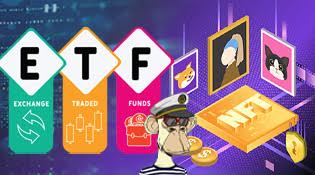
The NFT market is teeming with possibilities that can be overwhelming for investors. In case one wants to track this market, the foremost solution is NFT-linked exchange-traded funds (ETFs) that track the developments around NFTs.
What exactly is an NFT ETF?
An investment that tracks the performance of an index of NFT-related equities is an NFT ETF. NFT marketplaces and organizations engaged in the commercialization of NFTs along with other trading platforms as well as blockchain networks that issue NFTs are examples of such holdings. NFT ETFs only invest in firms that are in some way related to NFTs. They do not purchase or sell NFTs.
Although this may change in the future, the unique structure of NFTs makes it a difficult prospect. Each NFT is unique, therefore purchasing NFTs is not the same as purchasing stock in a firm. They all have their valuations, which frequently change depending on what the market is prepared to pay. The value of an ETF made up of NFTs would be nearly impossible to track.
What are the main features of an NFT ETF?
An NFT ETF is a collection of equities from NFT-related companies such as NFT marketplaces or exchanges where NFTs are traded.
NFT ETFs only include firms that have publicly acknowledged NFT ownership and those that operate NFT services such as NFT marketplaces.
The index also includes other platforms like:
- Internal and external projects targeting to issue, create, and commercialize NFTs that are of high relevance to the aforementioned companies.
- Companies currently provide services for the issuance, development, and commercialization of NFTs
- The fund exclusively invests in companies with a connection to the NFT space; it does not invest in individual NFTs.
- The NFT price generally varies with market mood and investor willingness to pay for it. Tracking the value of an ETF comprising individual NFTs is a complex task because of the inherent nature of NFTs.
Defiance ETFs established the first ETF that introduced investors to the burgeoning NFT, blockchain, and crypto industries. On December 1, 2021, the corporation released the world’s first ETF, the “Defiance Digital Revolution ETF” (ticker NFTZ).
Is it good to invest in NFT ETFs?
NFT technology is currently quite popular and has seen significant investment. However, because this is such a young industry, and both mainstream adoption and major institutional engagement are not yet at a truly significant level, NFT equities are likely to be volatile.
NFT ETFs expand the investment. So, if one company in the portfolio is underperforming, another may be able to pick up the slack and balance things out. Because the companies they own have varied business models throughout the tech spectrum, NFT ETFs are more diversified than most other types of ETFs.
If you decide to invest, you must stay up to date on the newest changes in the ETF field and which ETF platforms to utilize. So, make sure you read/watch our most recent NFT news stories; they are a terrific way to learn about the most recent happenings affecting the NFT environment.
Advantages of NFT ETFs
One significant advantage of NFT ETF is the exposure options. An NFT ETF exposes investors to companies engaging in NFT-related activities as well as the flourishing world of blockchain technology. This allows investors to develop a more diverse portfolio.
Another advantage is that investing in an NFT ETF is less difficult than investing in individual NFTs. A straightforward mechanism exists for investors to purchase shares in an ETF through a broker. However, buying NFTs conventionally is challenging since investors must pay with digital currencies via a blockchain wallet.
Disadvantages of NFT ETF
However, just like the two sides of a coin, NFT-linked ETFs have inherent drawbacks. Because of the progressive increase in NFT revenues, purchasing NFT stocks might be tremendously rewarding. However, the NFT and crypto markets are extremely volatile, making it possible for investors to suffer massive losses.
Furthermore, only a few companies (e.g., Defiance, KuCoin) have jumped on board with this new trend. As a result, investors interested in exploring the NFT industry through an NFT ETF have few options.
To summarize, NFT ETFs, one of the newest investment classes, combine the concepts of NFT with ETFs to allow investors to explore the burgeoning sector of NFTs. Even though this fund exposes traders to companies related to NFTs and blockchain, it has its own set of issues. Before making any investment selections, investors should examine the benefits and drawbacks of this new venture.
You need to login in order to Like