

Store NFTs Securely
By Ruchi Sharma
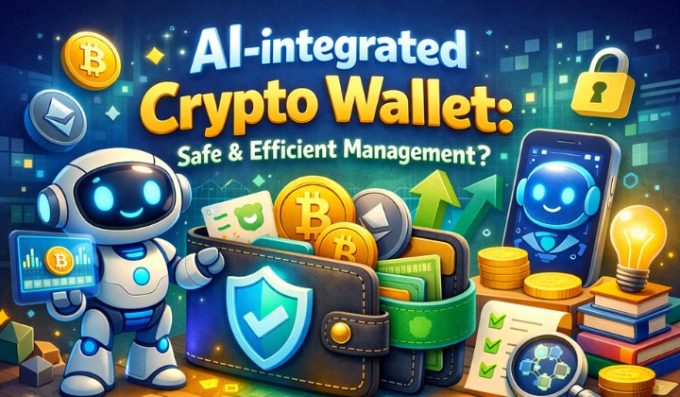
NFTs are growing in popularity. These distinctive tokens are kept in NFT digital wallets and frequently represent tangible or digital goods.
It is crucial to opt for the right kind of NFT wallet so that your digital assets don’t fall prey to any fraud/scam or get stolen. To understand this in detail let’s discuss the functions, advantages and types of NFT wallets.
What is an NFT wallet?
Typically, they are cryptocurrency wallets built on a platform that lets fans of NFTs store their digital assets, such as NFTs and bitcoin.
Through websites or mobile apps, they can effortlessly access their assets. Total control over digital assets is possible with the NFT wallets. It makes it simple for owners to sell them whenever they choose.
One must create a private key and deliver it to the recipient in order to complete an NFT transaction. This transaction can be carried out securely with the aid of the NFT wallet. Only after a successful two-factor authentication can the recipient access the collectible in their wallet.
Significance of NFT wallet
This NFT wallet helps with the following aspects:
Purchasing assets safely
NFT wallets allow you to access and buy digital assets on the blockchain network. Once the merchant has obtained your wallet address, they will provide a private key to that address.
The digital asset’s ownership is verified by this private key. As you keep the NFT in your wallet, you must utilize this key.
Storing NFTs in a safe place
Given that NFTs are scarce assets, it is crucial to keep them securely. The real assets remain online, but these wallets keep them out of the hands of hackers.
You have the option to store items in a cold storage facility in this regard. By doing this, you can protect your possessions from the internet. Keyloggers and hackers cannot access the offline hardware wallet where your collectibles are kept.
Importance of using an NFT wallet
A physical wallet is not how an NFT wallet operates. In reality, your wallet is not where you keep cryptocurrencies or NFTs.
Rather, it grants entry to the resources which are stored on the blockchain. By giving the wallet owner access to that address’s private key, it enables transaction authorisation. You are the legal owner of anything at that address if you hold the private key.
A wallet makes Purchasing, selling, and transferring NFTs or cryptocurrency really easy. It helps track your assets across devices; moreover, two-factor authentication boosts security.
Factors to consider when selecting an NFT Wallet
One must consider the following factors before selecting an NFT wallet:
Wallet safety: An NFT wallet that has a two-factor authentication feature or at least a Personal Identification Number will protect your valuables from hackers. Watch out for wallets that just offer biometric security or don’t have any further security features.
User interface: When looking for a place to store NFTs, prioritize wallets with an intuitive user interface that eases interaction with your NFTs. If you are a beginner, pick wallets that display all your NFTs, show how much your collection is worth, and have a search bar to find any NFTs easily, all in one glance.
Connectivity: Select a cold wallet that is compatible with both Bluetooth and software to make sure your wallet works with the app on your phone or computer. You can process NFT transactions considerably more quickly because of these features.
Setup time: Setting up a hot NFT wallet typically takes five to ten minutes. After completing the KYC procedures, which could take anywhere from five minutes to several days, you can use the wallet. Cold wallet setup takes longer; first-timers typically need one to two hours to finish the procedure.
Fees: Using a hot wallet to store digital assets is free, in contrast to cold storage. Users must pay a tiny network fee for both wallet types in order to send or list your NFT on a marketplace.
Customer support: Make sure an NFT wallet provides a live chat or support option before choosing one.
Storage and custody: Your best bet for having exclusive access to your NFTs is a cold wallet. It stops everyone from being able to access your NFTs, including the wallet provider and those who created them.
Hot wallet users are more likely to have the same issues as FTX users did with the exchange since the exchange has access to the cryptocurrency holdings of its users. However, for quicker transfers and simpler access to their NFTs, regular NFT traders will find a hot wallet more helpful.
Types of NFT wallet
You can keep your collectibles in one of two types of NFT wallets, as explained below:
Software wallet
Installing a computerized program or application on your desktops or mobile devices is known as a “hot wallet” or software wallet. These software wallets make it simple for you to access your NFT amounts.
Your private keys are still all accessible online. Using these platforms to trade or sell NFTs is quick and easy. Some of the most well-known hot wallets include WalletConnect, Rainbow Wallet, MetaMask, and others.
Hardware wallet
When stored in hardware or a “cold wallet,” your NFTs are kept separate from the internet. To keep your assets, you receive a tangible item, such as a USB drive. You may see all the information on your NFTs after connecting the cold wallet device to your PC. It is nearly impossible to digitally steal such assets from the hardware wallet when they are not connected to the internet network. These might be your best bet for long-term, secure asset storage.
Additionally, these hardware devices retain private keys, which makes it more difficult for malware to attack and replicate your signature in order to obtain information. Ledger, Trezor, and other well-known cold wallets are among them.
Bottom line
Non-duplicable assets (NFTs) are created on the blockchain network. After purchase, these need to be stored securely. Buyers may store, manage, transfer, and sell these digital assets with ease thanks to NFT wallets.
You have the option to store NFTs offline using a hardware wallet or online using a software wallet, depending on your desired level of security or protection. You should carefully consider all of an NFT wallet’s features and weigh them against those of other platforms when making your choice.
You need to login in order to Like