
Generative Art NFTs on The Rise
By Ruchi Sharma
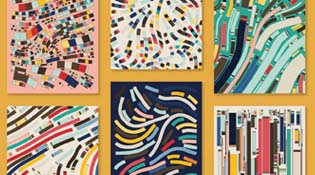
Any artistic endeavor in which the creator utilizes an independent mechanism to create their artwork is considered generative art. When guided by geometry and algorithms, and given a certain degree of randomness, these systems can independently produce artwork. In the process of creating original and irreplicable artwork, the generative system and the artist work together.
Evolution of Generative Art
Art produced by algorithms or self-executing systems is defined as generative art. A generative artist creates formulas or conditions that, when activated, produce an artwork, acting as a sculptor of these systems. Oftentimes, the process of creating generative art is just as significant as the final product.
One important aspect of generative art is its unpredictable nature, which enables each piece to have a distinct outcome. This element of chance gives each piece of art its enigmatic charm.
Why Do People Buy Generative NFT Art?
Generative NFT art is becoming more and more well-liked among enthusiasts and collectors.
Numerous causes can be attributed to this phenomenon, such as:
Unique, one-of-a-kind creations: Each piece of generative NFT art is unique because it is algorithmically generated and programmed.
Because of its uniqueness, the artwork has the potential to increase in value over time, making it a very desirable investment.
Self-expression: The diverse subjects and forms of generative NFT art provide a forum for individual expression. Collectors can show off their aesthetic interests and personal preferences by purchasing such artworks. There is something for everyone in the large selection of generative NFT art, enabling collectors to honestly express their uniqueness.
Supporting artists: With the rise of generative NFT art, creators now have an avenue to sell their works directly to collectors, eschewing more conventional middlemen like galleries or auction houses. With more control over their work and a bigger share of the sales revenue, artists may continue to innovate in their artistic endeavors thanks to this direct selling approach.
Growing community: The generative NFT art scene is supporting a fast-growing community of collectors, fans, and artists. People are coming together because of their mutual interest in this new creative form, which makes it possible for opportunities to arise and meaningful relationships to be made within this active group.
Storytelling: Every work of generative NFT art has its own origin story and is the result of a laborious creative process that frequently calls for sophisticated algorithms and programming. Possessing one of these pieces enables collectors to fully immerse themselves in the narrative, offering a glimpse into the artistic process and the sources of inspiration. The collector and the artwork develop a strong bond as a result of this experience, raising the sentimental and emotional value of the piece.
AI Creating Generative NFTs
Generative NFT art is greatly aided by artificial intelligence, especially when it comes to machine learning, greatly aids generative NFT art. The art world reflects the notion that machine learning algorithms can produce creative artwork in the same way as a human artist when given a significant amount of image data.
Among these, Generative Adversarial Networks, or GANs, have had a significant impact on the field of AI art. These algorithms allow AI to learn from long training sessions, much like an artist develops their abilities with practice. As a result, AI can now produce pictures that have never been drawn before.
Applying this idea in practical situations is not too difficult. An artist could use words or phrases to brainstorm a piece of art. After that, the artificially intelligent model processes this data. To create a distinct visual rendition of the original text, the AI examines a wide range of art forms, genres, and historical periods.
Challenges in Generative Art NFTs
Issues with confirming authenticity, IP protection, and ethical dilemmas are some of the obstacles in the emerging area of generative art NFTs.
Navigating intellectual property regulations in the context of digital and generative art can be especially challenging. It is unclear who is entitled to copyright when it comes to generative art—the artist, the algorithm, or the final user who manipulates the art to create a finished piece—because algorithms created by artists produce generative art.This uncertainty might make it more difficult to distribute and sell digital artworks, which can lead to ownership disputes and copyright infringement.
While not foolproof, NFTs by design do a decent job of confirming the legitimacy and origin of digital artworks.
When dealing with false NFTs, which happen when someone mints artwork without the original artist’s knowledge, it may be challenging to confirm that clients are receiving legitimate and original artwork. The decentralized nature of blockchain technology has advantages, but it can also make regulation and oversight more challenging.
Furthermore, the generative art NFT realm raises ethical questions, specifically about the openness of the art production process and the potential for algorithms to replicate or derive from previously created works of art without attribution or consent. The use of data and AI in the creation of art raises additional ethical questions about originality, authenticity, and respect for the intellectual property rights of others. These ethical concerns necessitate ongoing debate and the development of best practices within the community.
Future of Generative Art NFTs
NFTs for generative art have future possibilities. As technology advances, the potential for generative art will also grow. We can expect to see more elaborate and sophisticated works of art produced, stretching the boundaries of what is possible for this genre.
As generative art NFTs gain popularity and awareness, they may present more opportunities for artists. This will accelerate the growth of this captivating art form by providing artists with increased opportunities to create and receive compensation for their efforts.
You need to login in order to Like